Institutional Presence
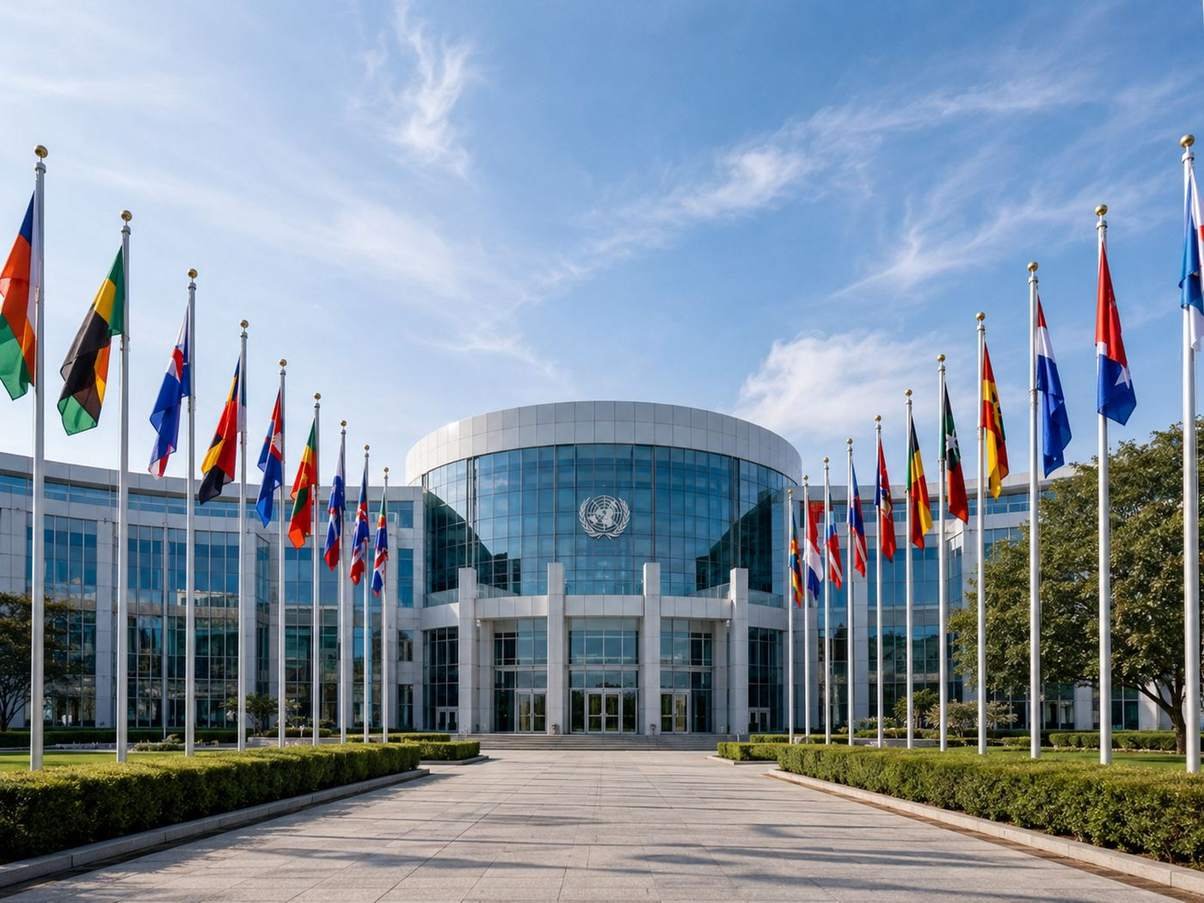
A strong institutional identity supports public trust, responsible service and professional representation.
Balanced institutional content for every organ with professional presentation and supporting visuals.

These institutions guide the organization’s core rights-protection mission. Their role is to promote human dignity, public awareness, reporting, documentation, advocacy and cooperation with relevant stakeholders. They may support rights education, institutional dialogue, monitoring activities and protection-oriented initiatives for vulnerable communities. By connecting legal principles with public understanding, this structure helps create a stronger culture of dignity, respect and prevention. It also supports the organization’s broader goal of making human rights visible in daily life through education, service and responsible institutional engagement.
These structures represent the organization’s commitment to justice, mediation, arbitration, fair process and peaceful dispute resolution. Their purpose is to strengthen trust in lawful and responsible ways of addressing grievances. They may support legal awareness, mediation forums, community dispute resolution, institutional cooperation and education around accountability and the rule of law. By promoting fair procedures and constructive dialogue, this organ helps reduce conflict and supports social stability. It also reinforces the idea that justice must be accessible, principled and connected to peace.
These commissions focus on transparency, accountability, anti-corruption awareness and economic justice. Ethical financial conduct is essential because development, humanitarian programs and institutional service depend on trust and responsible management. This structure may support public education, governance awareness, stakeholder cooperation and initiatives that encourage transparent systems. Its work helps protect institutional credibility and promotes a culture in which resources are treated responsibly. By connecting economic integrity with social justice, this organ strengthens both governance and community confidence.
These departments provide day-to-day operational support for the organization’s human rights mission. They may coordinate advocacy, awareness, reporting, monitoring, documentation, community engagement and partner communication. Their purpose is to ensure that human rights are not only mentioned in organizational language but implemented through practical and visible activities. These departments can help identify issues affecting vulnerable groups, prepare educational content and support cooperation with institutions and civil society. They are essential for consistent implementation, responsiveness and credibility.

These structures support conflict prevention, mediation, dialogue, reconciliation and long-term peacebuilding. Their role is to help communities and institutions manage tensions through constructive, non-violent and dignity-centered approaches. They may support peace education, youth leadership, reconciliation forums, community dialogue and humanitarian coordination in fragile contexts. Peacebuilding is connected to justice, freedom and development; therefore, this organ contributes to the conditions that allow rights, participation and social progress to flourish. It strengthens trust and encourages cooperation.
MUDHOLIPADJAH may establish additional organs, divisions, councils, institutes, programs, departments, missions and initiatives whenever needed to fulfill its objectives. These structures may support education, humanitarian service, governance, research, advocacy, mediation, development or sector-specific cooperation while remaining aligned with the organization’s core values.
A strong institutional identity supports public trust, responsible service and professional representation.
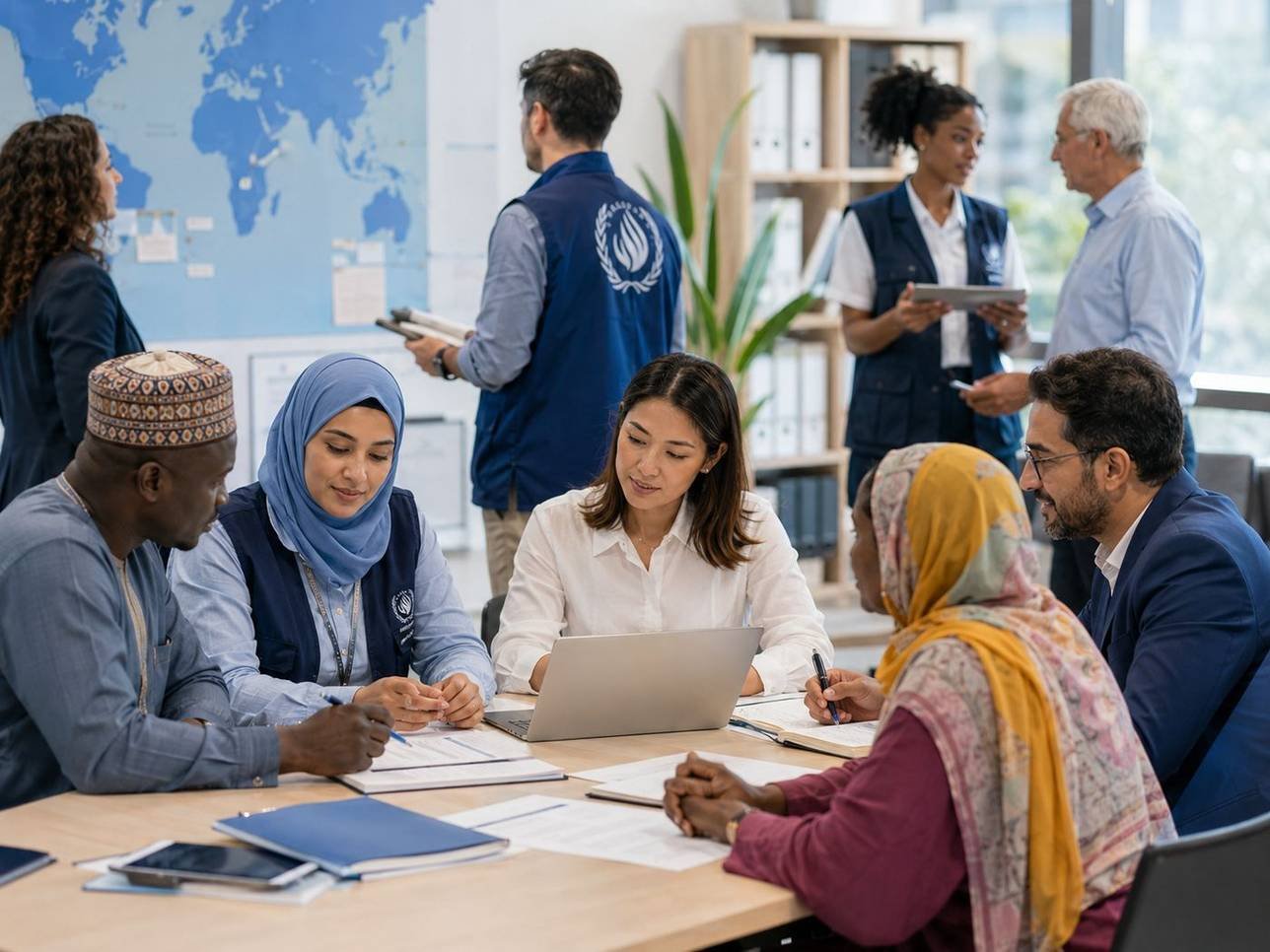
Departments and offices coordinate program implementation, public service and communication with partners.

Organ leadership requires structured meetings, responsible planning and coordinated decision-making.

Specialized structures can engage globally through dialogue, technical exchange and institutional cooperation.
Each organ may develop related programs, missions, training activities, awareness campaigns, partnerships, reports and service models. This allows the institutional framework to operate as a practical implementation system, not only as a list of titles. The strongest structure for future updates is to give every organ its own summary, program list, implementation model and expected impact so that partners and members clearly understand how the organization works.