Humanitarian Action in Practice: Protecting Vulnerable Communities Through Coordinated Relief and Recovery
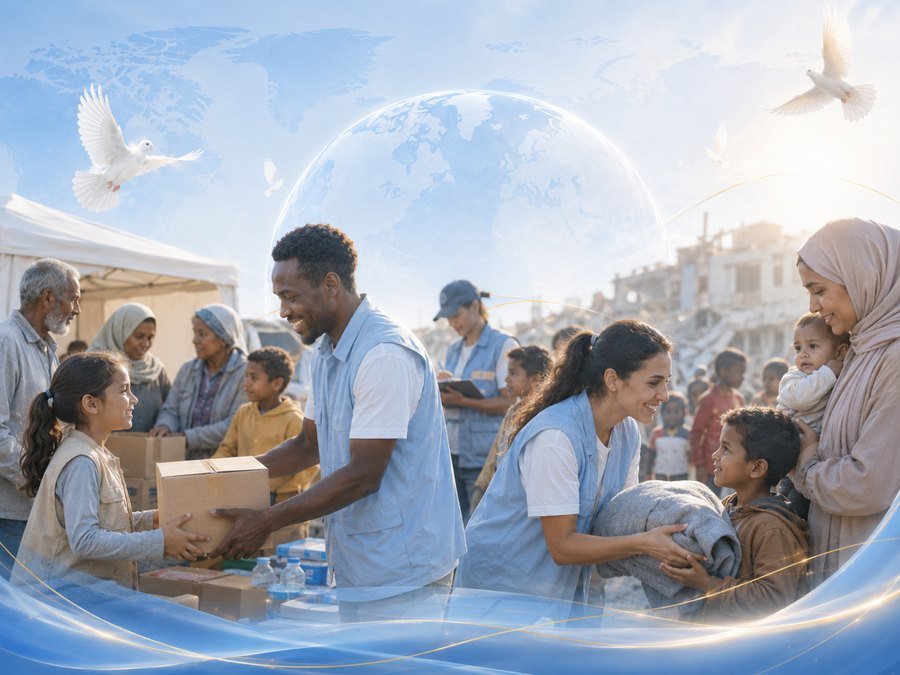
Humanitarian action becomes meaningful when it restores dignity, protects life and supports recovery for people experiencing crisis, displacement or long-term vulnerability. This article has been prepared as a full professional long-form article for the MUDHOLIPADJAH website and WordPress editor. It explains the subject in a clear, institutional and credible tone for visitors, members, partners, donors, public institutions and humanitarian stakeholders. The article connects humanitarian action and community protection with human dignity, justice, peace, democracy, freedom, humanitarian service, ethical governance and sustainable development.
Why Humanitarian Action Matters
Why Humanitarian Action Matters is an essential part of humanitarian action and community protection. MUDHOLIPADJAH approaches this area as a practical responsibility rather than a decorative slogan. The organization recognizes that real progress requires public understanding, responsible leadership, inclusive participation and consistent cooperation between institutions and communities. When why humanitarian action matters is treated seriously, it helps transform broad values into visible service, stronger trust and better social outcomes.
From an implementation point of view, this area can be developed through awareness campaigns, training workshops, public dialogue, institutional cooperation, community engagement, research, reporting, advocacy and partnership-based programs. These actions are most effective when they involve humanitarian organizations, local leaders, hospitals, schools, donors, public institutions, partner NGOs and affected communities. Working with these stakeholders allows the organization to connect policy language with real needs, while also strengthening ownership and accountability across every level of the mission.
The long-term value of why humanitarian action matters is reflected in outcomes such as better relief coordination, stronger protection, transparent service delivery, recovery support and more resilient communities. These results cannot be achieved through one-time activity only. They require continuity, ethical communication, transparency, community listening and the willingness to build systems that can continue serving people beyond a single project or event. This is why MUDHOLIPADJAH treats this theme as part of a wider institutional framework, not as an isolated activity.
For partners and visitors, why humanitarian action matters also shows that the organization is committed to professional action and responsible public service. It creates confidence that programs can be structured, monitored and improved over time. By connecting this section with dignity, inclusion and practical service, MUDHOLIPADJAH can present a strong message that is both humanitarian and institutional, both local in impact and international in vision.
Dignity-Centered Relief Work
Dignity-Centered Relief Work is an essential part of humanitarian action and community protection. MUDHOLIPADJAH approaches this area as a practical responsibility rather than a decorative slogan. The organization recognizes that real progress requires public understanding, responsible leadership, inclusive participation and consistent cooperation between institutions and communities. When dignity-centered relief work is treated seriously, it helps transform broad values into visible service, stronger trust and better social outcomes.
From an implementation point of view, this area can be developed through awareness campaigns, training workshops, public dialogue, institutional cooperation, community engagement, research, reporting, advocacy and partnership-based programs. These actions are most effective when they involve humanitarian organizations, local leaders, hospitals, schools, donors, public institutions, partner NGOs and affected communities. Working with these stakeholders allows the organization to connect policy language with real needs, while also strengthening ownership and accountability across every level of the mission.
The long-term value of dignity-centered relief work is reflected in outcomes such as better relief coordination, stronger protection, transparent service delivery, recovery support and more resilient communities. These results cannot be achieved through one-time activity only. They require continuity, ethical communication, transparency, community listening and the willingness to build systems that can continue serving people beyond a single project or event. This is why MUDHOLIPADJAH treats this theme as part of a wider institutional framework, not as an isolated activity.
For partners and visitors, dignity-centered relief work also shows that the organization is committed to professional action and responsible public service. It creates confidence that programs can be structured, monitored and improved over time. By connecting this section with dignity, inclusion and practical service, MUDHOLIPADJAH can present a strong message that is both humanitarian and institutional, both local in impact and international in vision.
Supporting Vulnerable Communities
Supporting Vulnerable Communities is an essential part of humanitarian action and community protection. MUDHOLIPADJAH approaches this area as a practical responsibility rather than a decorative slogan. The organization recognizes that real progress requires public understanding, responsible leadership, inclusive participation and consistent cooperation between institutions and communities. When supporting vulnerable communities is treated seriously, it helps transform broad values into visible service, stronger trust and better social outcomes.
From an implementation point of view, this area can be developed through awareness campaigns, training workshops, public dialogue, institutional cooperation, community engagement, research, reporting, advocacy and partnership-based programs. These actions are most effective when they involve humanitarian organizations, local leaders, hospitals, schools, donors, public institutions, partner NGOs and affected communities. Working with these stakeholders allows the organization to connect policy language with real needs, while also strengthening ownership and accountability across every level of the mission.
The long-term value of supporting vulnerable communities is reflected in outcomes such as better relief coordination, stronger protection, transparent service delivery, recovery support and more resilient communities. These results cannot be achieved through one-time activity only. They require continuity, ethical communication, transparency, community listening and the willingness to build systems that can continue serving people beyond a single project or event. This is why MUDHOLIPADJAH treats this theme as part of a wider institutional framework, not as an isolated activity.
For partners and visitors, supporting vulnerable communities also shows that the organization is committed to professional action and responsible public service. It creates confidence that programs can be structured, monitored and improved over time. By connecting this section with dignity, inclusion and practical service, MUDHOLIPADJAH can present a strong message that is both humanitarian and institutional, both local in impact and international in vision.
Coordination and Partnership in Response
Coordination and Partnership in Response is an essential part of humanitarian action and community protection. MUDHOLIPADJAH approaches this area as a practical responsibility rather than a decorative slogan. The organization recognizes that real progress requires public understanding, responsible leadership, inclusive participation and consistent cooperation between institutions and communities. When coordination and partnership in response is treated seriously, it helps transform broad values into visible service, stronger trust and better social outcomes.
From an implementation point of view, this area can be developed through awareness campaigns, training workshops, public dialogue, institutional cooperation, community engagement, research, reporting, advocacy and partnership-based programs. These actions are most effective when they involve humanitarian organizations, local leaders, hospitals, schools, donors, public institutions, partner NGOs and affected communities. Working with these stakeholders allows the organization to connect policy language with real needs, while also strengthening ownership and accountability across every level of the mission.
The long-term value of coordination and partnership in response is reflected in outcomes such as better relief coordination, stronger protection, transparent service delivery, recovery support and more resilient communities. These results cannot be achieved through one-time activity only. They require continuity, ethical communication, transparency, community listening and the willingness to build systems that can continue serving people beyond a single project or event. This is why MUDHOLIPADJAH treats this theme as part of a wider institutional framework, not as an isolated activity.
For partners and visitors, coordination and partnership in response also shows that the organization is committed to professional action and responsible public service. It creates confidence that programs can be structured, monitored and improved over time. By connecting this section with dignity, inclusion and practical service, MUDHOLIPADJAH can present a strong message that is both humanitarian and institutional, both local in impact and international in vision.
Relief Recovery and Resilience
Relief Recovery and Resilience is an essential part of humanitarian action and community protection. MUDHOLIPADJAH approaches this area as a practical responsibility rather than a decorative slogan. The organization recognizes that real progress requires public understanding, responsible leadership, inclusive participation and consistent cooperation between institutions and communities. When relief recovery and resilience is treated seriously, it helps transform broad values into visible service, stronger trust and better social outcomes.
From an implementation point of view, this area can be developed through awareness campaigns, training workshops, public dialogue, institutional cooperation, community engagement, research, reporting, advocacy and partnership-based programs. These actions are most effective when they involve humanitarian organizations, local leaders, hospitals, schools, donors, public institutions, partner NGOs and affected communities. Working with these stakeholders allows the organization to connect policy language with real needs, while also strengthening ownership and accountability across every level of the mission.
The long-term value of relief recovery and resilience is reflected in outcomes such as better relief coordination, stronger protection, transparent service delivery, recovery support and more resilient communities. These results cannot be achieved through one-time activity only. They require continuity, ethical communication, transparency, community listening and the willingness to build systems that can continue serving people beyond a single project or event. This is why MUDHOLIPADJAH treats this theme as part of a wider institutional framework, not as an isolated activity.
For partners and visitors, relief recovery and resilience also shows that the organization is committed to professional action and responsible public service. It creates confidence that programs can be structured, monitored and improved over time. By connecting this section with dignity, inclusion and practical service, MUDHOLIPADJAH can present a strong message that is both humanitarian and institutional, both local in impact and international in vision.
Transparency and Ethical Practice
Transparency and Ethical Practice is an essential part of humanitarian action and community protection. MUDHOLIPADJAH approaches this area as a practical responsibility rather than a decorative slogan. The organization recognizes that real progress requires public understanding, responsible leadership, inclusive participation and consistent cooperation between institutions and communities. When transparency and ethical practice is treated seriously, it helps transform broad values into visible service, stronger trust and better social outcomes.
From an implementation point of view, this area can be developed through awareness campaigns, training workshops, public dialogue, institutional cooperation, community engagement, research, reporting, advocacy and partnership-based programs. These actions are most effective when they involve humanitarian organizations, local leaders, hospitals, schools, donors, public institutions, partner NGOs and affected communities. Working with these stakeholders allows the organization to connect policy language with real needs, while also strengthening ownership and accountability across every level of the mission.
The long-term value of transparency and ethical practice is reflected in outcomes such as better relief coordination, stronger protection, transparent service delivery, recovery support and more resilient communities. These results cannot be achieved through one-time activity only. They require continuity, ethical communication, transparency, community listening and the willingness to build systems that can continue serving people beyond a single project or event. This is why MUDHOLIPADJAH treats this theme as part of a wider institutional framework, not as an isolated activity.
For partners and visitors, transparency and ethical practice also shows that the organization is committed to professional action and responsible public service. It creates confidence that programs can be structured, monitored and improved over time. By connecting this section with dignity, inclusion and practical service, MUDHOLIPADJAH can present a strong message that is both humanitarian and institutional, both local in impact and international in vision.
Community-Based Protection Mechanisms
Community-Based Protection Mechanisms is an essential part of humanitarian action and community protection. MUDHOLIPADJAH approaches this area as a practical responsibility rather than a decorative slogan. The organization recognizes that real progress requires public understanding, responsible leadership, inclusive participation and consistent cooperation between institutions and communities. When community-based protection mechanisms is treated seriously, it helps transform broad values into visible service, stronger trust and better social outcomes.
From an implementation point of view, this area can be developed through awareness campaigns, training workshops, public dialogue, institutional cooperation, community engagement, research, reporting, advocacy and partnership-based programs. These actions are most effective when they involve humanitarian organizations, local leaders, hospitals, schools, donors, public institutions, partner NGOs and affected communities. Working with these stakeholders allows the organization to connect policy language with real needs, while also strengthening ownership and accountability across every level of the mission.
The long-term value of community-based protection mechanisms is reflected in outcomes such as better relief coordination, stronger protection, transparent service delivery, recovery support and more resilient communities. These results cannot be achieved through one-time activity only. They require continuity, ethical communication, transparency, community listening and the willingness to build systems that can continue serving people beyond a single project or event. This is why MUDHOLIPADJAH treats this theme as part of a wider institutional framework, not as an isolated activity.
For partners and visitors, community-based protection mechanisms also shows that the organization is committed to professional action and responsible public service. It creates confidence that programs can be structured, monitored and improved over time. By connecting this section with dignity, inclusion and practical service, MUDHOLIPADJAH can present a strong message that is both humanitarian and institutional, both local in impact and international in vision.
A Solidarity-Driven Future for Humanitarian Service
A Solidarity-Driven Future for Humanitarian Service is an essential part of humanitarian action and community protection. MUDHOLIPADJAH approaches this area as a practical responsibility rather than a decorative slogan. The organization recognizes that real progress requires public understanding, responsible leadership, inclusive participation and consistent cooperation between institutions and communities. When a solidarity-driven future for humanitarian service is treated seriously, it helps transform broad values into visible service, stronger trust and better social outcomes.
From an implementation point of view, this area can be developed through awareness campaigns, training workshops, public dialogue, institutional cooperation, community engagement, research, reporting, advocacy and partnership-based programs. These actions are most effective when they involve humanitarian organizations, local leaders, hospitals, schools, donors, public institutions, partner NGOs and affected communities. Working with these stakeholders allows the organization to connect policy language with real needs, while also strengthening ownership and accountability across every level of the mission.
The long-term value of a solidarity-driven future for humanitarian service is reflected in outcomes such as better relief coordination, stronger protection, transparent service delivery, recovery support and more resilient communities. These results cannot be achieved through one-time activity only. They require continuity, ethical communication, transparency, community listening and the willingness to build systems that can continue serving people beyond a single project or event. This is why MUDHOLIPADJAH treats this theme as part of a wider institutional framework, not as an isolated activity.
For partners and visitors, a solidarity-driven future for humanitarian service also shows that the organization is committed to professional action and responsible public service. It creates confidence that programs can be structured, monitored and improved over time. By connecting this section with dignity, inclusion and practical service, MUDHOLIPADJAH can present a strong message that is both humanitarian and institutional, both local in impact and international in vision.
Conclusion
Humanitarian Action in Practice: Protecting Vulnerable Communities Through Coordinated Relief and Recovery remains directly connected to the overall purpose of MUDHOLIPADJAH. The organization’s work becomes stronger when it is supported by clear information, responsible leadership, institutional cooperation and community-centered implementation. This article can be used as a substantial WordPress post for public education, SEO, partner credibility and professional website presentation. It reinforces the idea that the mission of MUDHOLIPADJAH is not limited to words, but is expressed through values, structures, service and long-term cooperation for the benefit of humanity.